







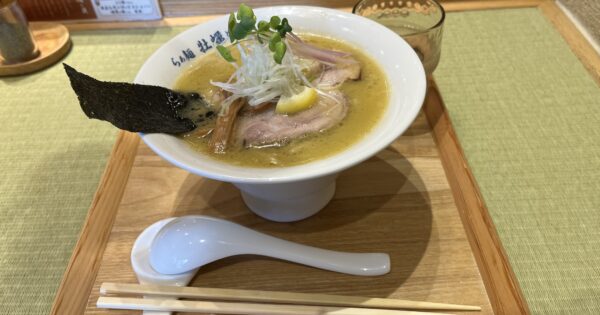
Ramen Kaki to Kai
Situated in Tsukiji, Ramen Kaki to Kai specializes in ramen made with the rich umami of fresh oysters and shellfish.
The soup is thick and flavorful, perfectly paired with chewy noodles for a deeply satisfying taste.
Approx. 7-minute walk from the hotel
Address:Urban Mates Building, 1F 3-16-9 Tsukiji, Chuo-ku, Tokyo
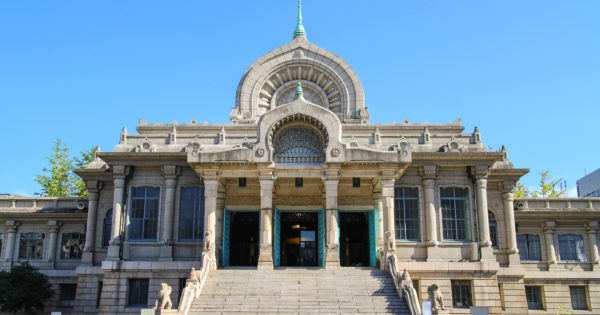
One of the representative temples
in Tokyo [ Tsukiji Hongwanji ]
This Buddhist temple has an impressive exterior modeled after ancient Asian Buddhist architecture. Every detail of the building incorporates architectural elements from India, Japan, the West, and China.
Approx. 5 minutes on foot
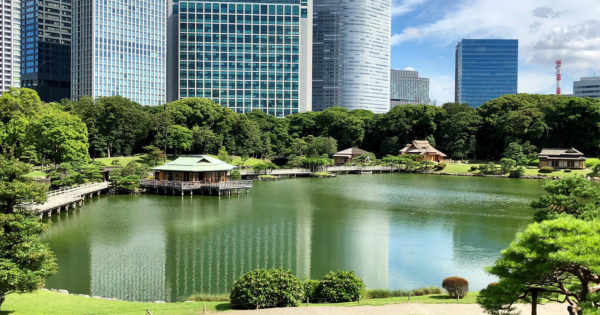
A Japanese garden within walking distance from TSUKI Tokyo
About 15 minutes by foot from TSUKI, the Japanese garden “Hamarikyu” is nestled in an area, called Shiodome, surrounded by high-rise buildings.Until 1644, it was a field for the Tokugawa family’s hawk hunting ground, but after Tsunashige moved to a separate residence in 1654, landscaping and renovation works were undertaken by the successive generals and today it is almost the same as it was after the 11th general. Is one of few gardens existing with such history that has been watching over the changing landscape of Tokyo for over 360 years.The seasonal flowers such as black pine, cherry blossoms, plums, and more are some of the highlights that entertain the eyes and hearts of those who visit the garden today. The Kuromatsu, known as the 300-year-old pine, is 10 meters high, 17.7 meters wide from the front, and has a truck diameter of 4.4 meters, making it one of the largest in Japan.
In addition, one of the only five duck grounds in the country (places for duck hunting) is in the park, which is also a popular spot for visitors.
The tea house in the park has been authentically restored based on historical information, and the scenery has been renewed. If you get a little tired of walking, you can think about the history of the spot while sipping tea and looking at the mysterious scenery where Japan’s “past” and “present” mix at the “Nakajima no Ochaya” near the pond.
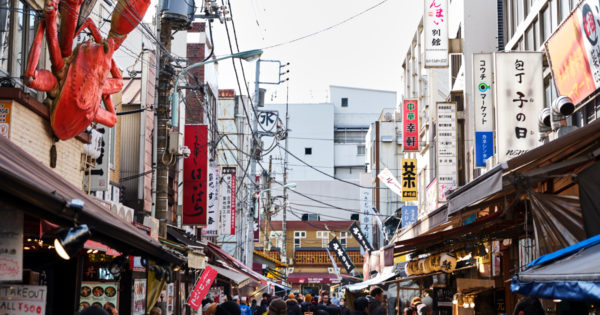
The Tsukiji Outer Market With over 400 gourmet speciality shops
Tsukiji is most famous for the gourmet town called the Tsukiji Market.
It has played the role of Japan’s number one kitchen for many years, but in 2018 the market moved to Toyosu. The more than 400 gourmet speciality shops in the Tsukiji outer market remained, and you can still enjoy sushi and voluminous seafood rice bowls with fresh ingredients right from the market at very reasonable prices.
It may be surprising to some to see various genres of foods such as Italian, Oyako-Don (chicken rice bowls), and ramen. Trying these is another way to enjoy the Tsukiji Outer Market.
Recently, “eating while walking” is a popular activity in the Tsukiji Outer Market. Some shops have long lines. The market is a short 10 minute walk from TSUKI. Because it is a market, most shops open early in the morning, so why not go for breakfast after a morning walk?
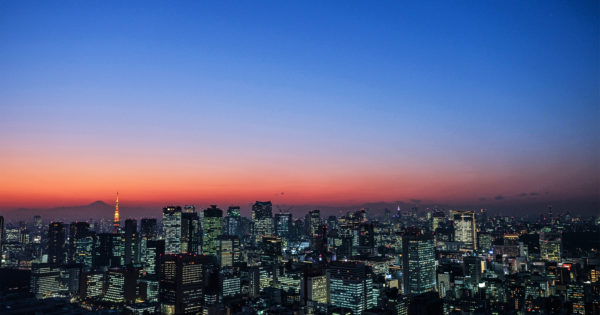
Tokyo Tsukiji
Tokyo Tsukiji. Tsukiji market is known as one of the biggest markets in the world and is a place where knowledge of Japanese food culture has accumulated. Around the world and through the ages it is and has been food culture that serves as one foundation for the basic culture of a country.
The streets of Tsukiji are dotted with old town scenery that creates a nostalgic atmosphere.
After strolling around the good old streets of Tsukiji what comes to mind is, of course, sushi. Enjoy reasonable prices for truly exquisite sushi in Tsukiji.
Please feel free to ask our hotel staff for good sushi restaurant recommendations.
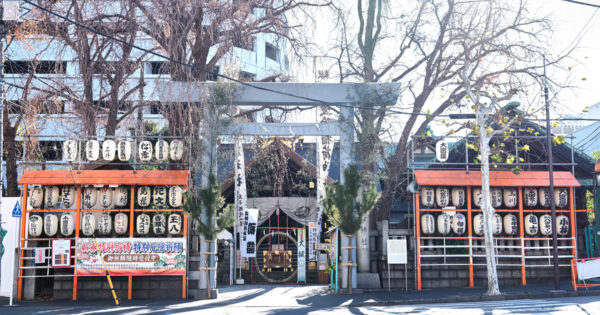
Namiyoke shrine The shrine of the God Namiyoke-Inari that protects against misfortune and helps people to overcome turmoil.
After the great fire of the Edo period, Edo Bay remained in existence where the fish market is today.
Tsukiji land reclamation work was carried out, but the construction was difficult due to the rough waves. One evening, during the reclamation work, a shining Go-Shintai (floating shrine) was found floating on the surface of the sea. In 1659, a shrine was built at the place where the current shrine is located. After the shrine was built, the rough waves settled down and the land reclamation work proceeded smoothly. This is the story of where the name of the shrine came from and it attracts people to worship the god Namiyoke-Inari.
As the God which protects against misfortunes and helps human to get over periods of turmoil, Namiyoke-Inari is highly worshipped by people who pray for warding off bad luck, for divine protection from calamity, good business, safety during constructions, and others.
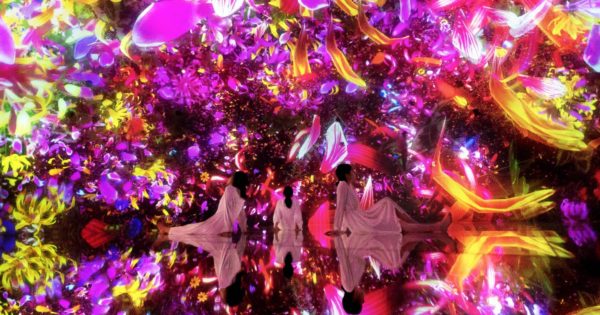
teamLab Planets
TOKYO
An art facility utilizing digital technology. Visitors can enjoy an “immersive experience” as if they themselves were in the artwork. *Image from teamLab’s official website.
Approx. 22 minutes by train and on foot